
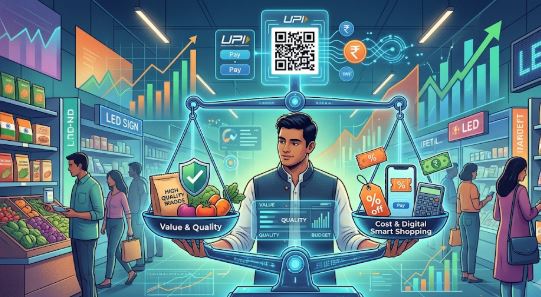
India’s consumer market is undergoing a major transformation as buyers become more careful about how they spend their money. While affordability remains important, consumers are increasingly looking beyond low prices and choosing products that offer better quality, convenience, durability and reliability. From groceries and personal care to electronics, fashion and travel, purchasing decisions are becoming more focused on the overall value a product delivers. This shift is changing how businesses develop products, set prices and attract customers, creating new opportunities for manufacturers, retailers, startups and digital commerce companies.
The importance of consumer spending is reflected in India’s economic growth. Private Final Consumption Expenditure (PFCE) accounted for 61.5% of GDP in FY26, its highest share since FY12. This highlights the important role household spending plays in supporting economic activity and creating demand across industries.
Consumers Are Looking Beyond Low Prices
Indian consumers are increasingly comparing product quality, features, durability and prices before making purchasing decisions. A cheaper product may attract attention, but buyers are also considering whether it offers long-term benefits and meets their everyday needs.
This change is visible across several consumer categories. Shoppers may prefer affordable grocery products for regular use while spending more on reliable smartphones, skincare, healthier food options and better travel experiences.
For businesses, this means that competing only through discounts is becoming less effective. Brands need to communicate the practical benefits of their products and offer consistent quality to earn customer trust. Companies that balance affordability with reliability can build stronger customer relationships and encourage repeat purchases.
Digital Shopping Is Making Consumers More Price-Conscious
The growth of e-commerce and digital payments has made shopping more convenient while giving consumers greater control over purchasing decisions. Customers can compare prices, read product reviews, check specifications and explore different brands before placing an order.
India’s online retail market grew approximately 25% year-on-year in the first half of 2026, reflecting increasing consumer participation in digital shopping. The market is projected to cross $90 billion in 2026, supported by quick commerce, value-focused shopping platforms and growing demand from smaller cities.
Quick commerce is also changing how customers purchase everyday essentials. Groceries, personal care products and household items can now reach consumers within shorter delivery windows. The quick-commerce market, estimated at around $13 billion in FY26, is projected to reach $90 billion by FY31.
For businesses, these developments offer opportunities to reach customers through online marketplaces, direct-to-consumer platforms and physical stores. However, competitive pricing, product availability and dependable delivery are becoming essential for retaining customers.
Smaller Cities Are Becoming Important Consumer Markets
India’s consumption growth is increasingly extending beyond metropolitan areas. Consumers in Tier 2 and Tier 3 cities are gaining access to branded products, online shopping, digital payments and organised retail services.
This expansion is creating opportunities for regional manufacturers, local retailers and emerging consumer brands. Businesses can reach new customer groups by offering products that match local preferences, income levels and purchasing habits.
Categories such as packaged foods, affordable fashion, personal care, household products and electronics have considerable opportunities to attract customers in these markets.
Companies that understand regional demand and build strong distribution networks can expand their customer base without depending entirely on major urban centres.
Premium and Affordable Products Are Growing Together
Another important feature of India’s consumer market is the growing demand for both affordable and premium products. While many households continue to manage their budgets carefully, some consumers are showing greater interest in premium electronics, branded fashion, travel, electric vehicles and specialised lifestyle products.
This creates opportunities for companies to serve different income groups through multiple product categories. Businesses can offer affordable versions for price-conscious customers while developing premium products with better features, packaging and customer experiences.
For manufacturers, this approach can help expand market reach and reduce dependence on a single consumer segment. The key is to ensure that higher prices are supported by genuine improvements in quality and usefulness.
Businesses Are Rethinking Pricing and Customer Loyalty
Changing purchasing habits are encouraging companies to rethink their marketing and pricing strategies. Frequent discounts may increase short-term sales, but they can also put pressure on profit margins and make customers more focused on promotional offers.
Instead, businesses are increasingly required to demonstrate why their products deserve customer attention. Product quality, transparent pricing, after-sales service, warranties and convenient shopping experiences can help brands build lasting relationships.
Small businesses can also compete through personalised service, flexible product options and better customer support. Data analytics and artificial intelligence are providing additional opportunities to understand buying patterns, manage inventory and offer more relevant product recommendations.
These strategies can help companies improve customer retention while controlling unnecessary marketing and operational expenses.
Managing Costs While Delivering Better Value
Although value-based purchasing creates opportunities, it also presents challenges for businesses. Manufacturers and retailers must balance affordable prices with rising expenses related to raw materials, packaging, transportation, distribution and marketing.
Smaller businesses may find it particularly difficult to compete with established brands that benefit from large-scale production and extensive distribution networks.
Consumer trust is another important factor. Poor product quality, misleading claims and hidden charges can damage brand reputation and affect repeat sales.
Businesses therefore need to improve operational efficiency, maintain consistent product standards and communicate honestly with customers. Offering genuine value rather than simply reducing prices can help companies protect their margins and strengthen their market position.
India’s Consumer Market Is Creating New Opportunities for Businesses
India’s consumer market is moving towards a more thoughtful spending model in which buyers consider quality, affordability, convenience and overall product benefits before making purchases. This shift is changing the competitive landscape for manufacturers, retailers, e-commerce platforms and consumer-focused startups.
For businesses, the opportunity lies in understanding what customers actually need and developing products that match their expectations. Companies that combine competitive pricing with dependable quality, convenient services and strong customer relationships can attract new buyers and encourage repeat purchases.
As digital shopping expands and consumer preferences continue to evolve, businesses that adapt their products, pricing and distribution strategies will be better positioned to benefit from India’s growing consumption economy. Ultimately, long-term success will depend not on offering the cheapest product but on delivering the best value for the customer’s money.