Tokyo, Japan, May 28, 2026 – Toray Industries, Inc. and PTT Global Chemical Public Company Limited (GC) have established a first-of-a-kind series of manufacturing technologies for bio-based adipic acid through the fermentation of bio-muconic acid using starch residues and 100% bio-based nylon 66 using it.
As global demand rises to reduce greenhouse gas emissions and dependence on fossil resources, the chemical industry is increasingly focusing on renewable biomass raw materials that do not compete with food supplies.
Cassava pulp, a residue generated during starch extraction from cassava, can be stably supplied and utilized without encouraging farmland expansion, helping reduce indirect land use change (ILUC) risks.
Demonstration Process Overview
| Engineering Process | Body | Key Details |
|---|---|---|
| Saccharification | Toray | Produced 5 dry-tons of glucose sugar per day using 66 tons of cassava pulp with ~85% moisture. |
| Fermentation | GC | Produced bio-muconic acid efficiently using proprietary microbial strains in pilot-scale fermenters (~50 m³). |
| Refinement | Toray + GC | Developed technology to refine high-purity bio-muconic acid suitable for conversion into adipic acid. |
| Chemical Conversion | Toray | Converted bio-muconic acid into bio-based adipic acid with purity suitable for nylon 66 polymerization. |
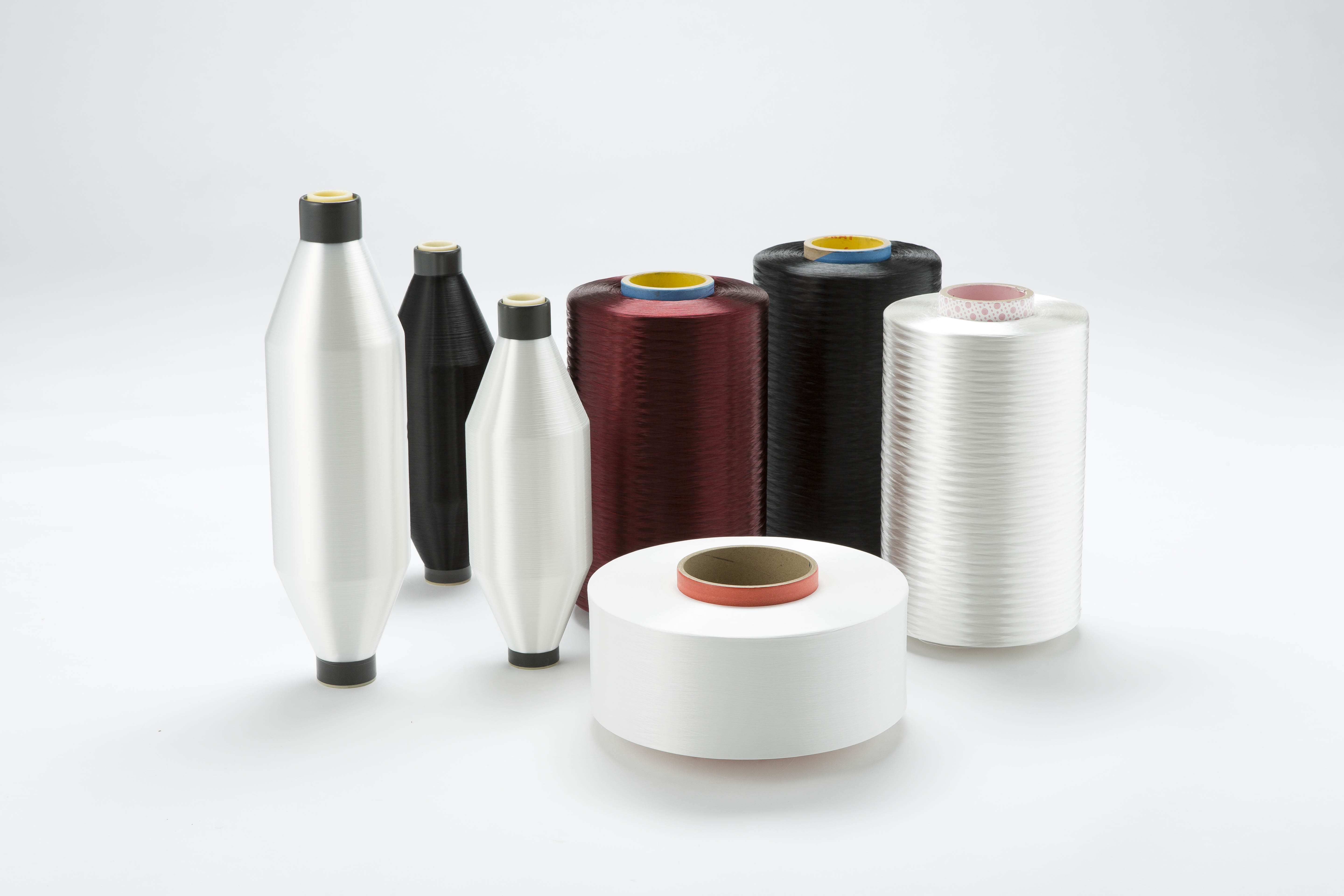
| Polymerization & Fibrosis | Toray | Successfully polymerized and processed nylon 66 fiber on a laboratory scale using bio-based adipic acid and bio-based HMDA. |
Future Plans
- Toray and GC aim to scale production and reduce manufacturing costs.
- Toray plans to establish a supply chain for textile products using 100% bio-based nylon 66 by FY2028.
- The companies will continue collaboration toward biomass-derived material commercialization and a recycling-oriented society.
Government Support
This initiative was supported under Japan’s Ministry of Economy, Trade and Industry (METI) “FY2023 Supplementary Budget Project for Future-Oriented Co-Creation in the Global South.”