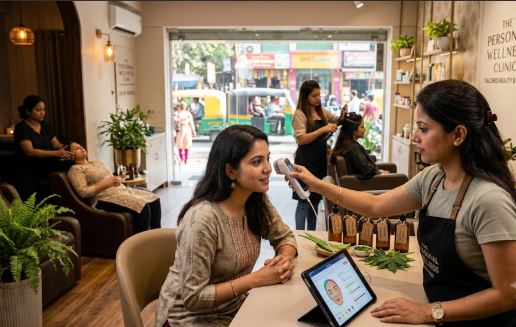
India’s beauty and wellness industry is entering a new phase of growth as consumers increasingly seek services tailored to their individual needs, lifestyles and preferences. From customised skincare and specialised hair treatments to premium salon experiences and wellness therapies, personalisation is changing how businesses attract customers, develop services and generate revenue.
For beauty brands, salon chains, independent professionals and wellness entrepreneurs, this shift presents an opportunity to move beyond conventional services and build stronger customer relationships. Consumers are no longer choosing a salon or wellness centre on price alone. Service quality, professional advice, hygiene, convenience and personalised attention are becoming important factors in purchasing decisions.
The change is also creating opportunities for businesses to introduce premium services, encourage repeat visits and differentiate themselves in a competitive market. However, long-term success will depend on balancing innovation and profitability with affordability, professional standards and customer trust.
Personalised Services Reshape Business Strategies
Traditional beauty services often relied on standardised treatments and packages designed for a broad customer base. Today, businesses are increasingly exploring customised consultations, skin-specific treatments, individual haircare plans and services based on customer preferences.
This approach allows salons and wellness centres to offer more relevant experiences rather than relying entirely on discounts or promotional offers. A customer seeking hair repair, for instance, may prefer a consultation-led service that considers hair texture, previous treatments and maintenance requirements.
For businesses, personalisation can create opportunities to increase customer retention and develop longer-term service relationships. Customers who feel their needs are understood may be more likely to return, recommend the business to others and explore additional services.
However, personalisation also requires investment in staff training, consultation time and service consistency. Businesses need to ensure that customised recommendations are based on professional knowledge rather than simply being used to encourage customers to spend more.
Technology Creates New Revenue Opportunities
Digital technology is becoming an important business tool across the beauty and wellness sector. Online appointment booking, customer relationship management systems, digital consultations and personalised recommendations are helping businesses improve convenience and customer engagement.
Some providers are also exploring artificial intelligence-based skin assessments and digital tools that suggest suitable beauty routines. When used responsibly, these technologies can help businesses organise consultations, understand preferences and make service recommendations more relevant.
Digital platforms can also reduce administrative work by automating appointments, reminders and customer communications. For smaller salons, these tools can improve operational efficiency without requiring a large workforce.
The commercial opportunity lies in combining technology with human expertise. Customers may appreciate digital convenience, but professional advice, personal interaction and consistent results remain essential to the service experience.
Businesses must also protect customer information and avoid presenting automated assessments as substitutes for medical diagnosis.
Premium Services and Affordable Offerings Can Grow Together
Personalisation is creating opportunities in both premium and budget-conscious segments of the market.
Premium salons, spas and wellness centres can develop specialised treatments, consultation-led packages and high-quality customer experiences for consumers willing to pay more for individual attention. Meanwhile, neighbourhood salons and independent professionals can introduce affordable customised services without investing heavily in luxury infrastructure.
This flexibility is particularly important in a price-sensitive market such as India, where customers have different spending capacities and expectations.
For entrepreneurs, the objective should be to identify a clear customer segment and develop services that meet its needs. A specialised hair studio, a neighbourhood skincare service or a wellness centre focused on relaxation can build a distinct market position through expertise and customer care.
Rather than competing solely on price, businesses can differentiate themselves through reliability, transparent charges, professional service and convenience.
Beauty and Wellness Create Opportunities for Small Businesses
The expanding demand for personal care is opening doors for entrepreneurs, freelancers and small service providers. Independent beauticians, home-based professionals, boutique salons, massage and wellness studios, and specialised skincare businesses can serve customers seeking convenience and individual attention.
Digital marketing allows these businesses to showcase their services, communicate with local customers and build visibility without relying entirely on expensive advertising. Appointment platforms and customer reviews can further support discovery and repeat business.
Franchise models also offer opportunities for expansion, allowing established brands to enter new markets through local business partners. However, franchise growth requires consistent service standards, trained employees and effective quality control.
For small businesses, managing operating costs is just as important as attracting customers. Rental expenses, equipment, products, employee salaries and customer acquisition costs can affect profitability. Careful pricing, efficient scheduling and repeat bookings can help businesses maintain healthier margins.
Digital Marketing Becomes a Competitive Advantage
Social media, online reviews and creator-led content are influencing how customers discover beauty and wellness services. Businesses can use these channels to demonstrate their expertise, explain treatments, share customer feedback with permission and communicate service benefits.
Educational content can be particularly useful. Information about skincare routines, hair maintenance, hygiene standards and treatment suitability can help businesses build credibility rather than relying exclusively on promotional campaigns.
Local search visibility is also important for salons and wellness centres because customers often prefer services close to their homes or workplaces. Accurate business listings, clear pricing information, convenient booking options and responsive customer communication can improve the customer experience.
However, marketing claims must remain realistic. Exaggerated promises about treatment results may attract short-term attention but can damage a business’s reputation. Trust and consistent service quality are more valuable for long-term growth.
Professional Skills and Service Quality Drive Customer Retention
The growth of personalised services increases the importance of qualified and well-trained professionals. Staff need to understand different customer requirements, communicate treatment options clearly and follow appropriate hygiene and safety practices.
For business owners, employee training is an investment in customer satisfaction and brand reputation. Poor service consistency can undermine marketing efforts, while knowledgeable professionals can help customers make informed decisions and choose suitable treatments.
The sector also creates employment opportunities for beauticians, hairstylists, skincare specialists, wellness professionals, trainers and customer service staff.
Businesses that provide clear career pathways and regular skills development may find it easier to retain experienced employees. As service expectations rise, professional expertise will remain a major differentiator in an increasingly competitive market.
Key Challenges for Beauty and Wellness Entrepreneurs
Despite its growth potential, the industry faces several commercial challenges. Competition from established chains, independent salons, home-based services and online product brands can put pressure on pricing and customer acquisition.
Changing trends may also encourage businesses to invest in treatments or equipment before demand is properly established. High operating costs and inconsistent customer traffic can further affect profitability.
Entrepreneurs need to evaluate local demand, identify their target audience and maintain realistic financial projections before expanding. Service menus should reflect genuine customer needs, while pricing must account for products, labour, rent and other operating expenses.
Customer safety, privacy and transparent communication are equally important. Businesses that recommend treatments responsibly and maintain clear service standards are better positioned to build lasting relationships.
Conclusion: Personalisation Offers a Sustainable Path to Growth
India’s beauty and wellness industry is creating new business opportunities as consumers seek more individualised services and convenient experiences. Personalised treatments, digital booking systems, specialised salons and wellness offerings are helping businesses explore new revenue streams and strengthen customer relationships.
For entrepreneurs, the opportunity is not simply to offer more services but to understand what customers value and deliver it consistently. Technology can improve efficiency, while skilled professionals and transparent pricing can strengthen trust.
The businesses best positioned for long-term success will be those that combine personalisation with professional expertise, operational efficiency and genuine customer care.