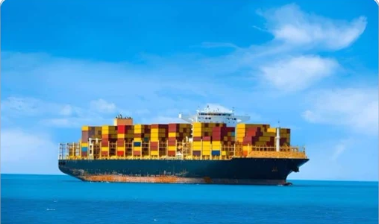
New Delhi, Sep 25: Global oil markets remained highly sensitive to developments around the Strait of Hormuz on Friday, with Brent crude easing below $106 a barrel as reports of renewed US-Iran discussions raised hopes of a phased reopening of the strategic waterway.
Brent was trading at around $105.70 a barrel, down about $0.90, or 0.85 per cent, on the day. The decline followed a two-day rally, although the benchmark remained on course for a weekly gain of more than 2 per cent.
The modest retreat in prices reflects a market caught between hopes of easing geopolitical tensions and continuing concerns over the disruption of oil and commodity shipments through the Gulf.
Diplomatic efforts bring some relief to oil markets
Talks between the United States and Iran are taking place in New York on the sidelines of the United Nations General Assembly, with Qatar involved in mediation efforts.
US Special Envoy Steve Witkoff has held discussions with Iranian Foreign Minister Abbas Araghchi as diplomatic efforts focus on easing tensions and addressing the situation around the Strait of Hormuz.
Reports of a possible phased arrangement to reopen the waterway have provided some relief to oil traders. However, expectations of an immediate breakthrough remain limited, with both sides maintaining significant differences over the conditions for an agreement.
Iran has previously indicated that it could reopen the Strait within seven days if Washington eases military pressure and lifts the blockade affecting Iranian ports.
Iranian officials have also outlined conditions that include the lifting of US sanctions, an end to military action and a defined framework for future negotiations.
Hormuz remains critical to global energy security
The Strait of Hormuz remains at the centre of the oil market’s attention because of its importance to global energy shipments. Any sustained disruption to the waterway can affect crude and other commodity flows, while a return to normal shipping could reduce some of the geopolitical premium currently embedded in oil prices.
Shipping activity, however, remains below normal levels. Ten commodity vessels crossed the Strait on September 23, compared with seven a day earlier and a 10-day average of around 17 vessels. The figures exclude vessels travelling with their transponders switched off.
The subdued traffic highlights the continuing uncertainty facing shipping companies and energy traders despite the latest diplomatic signals.
Brent remains sharply higher over the year
Friday’s decline has done little to reverse the broader rise in crude prices. Brent remains 21.52 per cent higher over the past month and 52.63 per cent above its level a year earlier, according to the data cited in the market report.
The sustained increase has implications beyond energy markets. Higher crude prices can raise transportation and production costs, increase import bills for oil-dependent economies and add pressure to inflation.
For countries such as India, which rely heavily on imported crude oil, a prolonged period of elevated prices can have wider implications for the trade balance, currency markets, fuel costs and corporate operating expenses.
International pressure builds for safe passage
The disruption around Hormuz has also prompted wider international concern.
At the UN on September 24, Bahrain’s Foreign Minister Abdullatif Al Zayani read a joint statement on behalf of 80 countries calling for the urgent reopening of the Strait and safe maritime passage.
The statement underlined the importance of keeping commercial shipping routes open and preventing merchant vessels and seafarers from becoming part of geopolitical disputes.
Regional security concerns have meanwhile continued. A Saudi-led coalition said it intercepted six ballistic missiles targeting Yanbu and Taif, attributing the launches to the Iran-aligned Houthi group.
Such developments have added another layer of uncertainty for energy markets, particularly because the region includes critical oil production, refining and export infrastructure.
India and other importers remain exposed
For major oil-importing economies, the direction of crude prices will depend heavily on whether diplomatic efforts translate into a sustained improvement in shipping conditions.
A credible reopening of the Strait and a gradual return of commercial traffic could ease concerns about supply shortages and reduce the risk premium in crude prices. Continued disruption, on the other hand, could keep oil prices elevated and prolong pressure on importing economies.
For now, Brent’s movement around the $106-a-barrel level reflects the market’s cautious response to diplomatic developments. Traders are likely to keep a close watch on US-Iran negotiations, shipping activity through Hormuz and wider security developments across the Middle East as they assess the next direction for global oil prices.